
Security and compliance
Enterprise readiness for start-ups: SSO, audit trails, tenant isolation and the security questionnaire
Enterprise readiness is what a start-up needs before a large customer’s security, compliance and procurement teams will let its product near their data: single sign-on, role-based access, tenant isolation, an audit trail, data residency, encryption, a documented incident process, and answers to the security questionnaire that are true. Hexploits builds these into the product and prepares the evidence, including readiness for ISO 27001, SOC 2 or Cyber Essentials where a customer requires certification, so the deal that stalled at the questionnaire closes.
A named engineer replies within one working day. A written scope and an indicative price within two.
Who this is for
- Start-ups whose first enterprise deal is stuck with the customer’s security team.
- Scale-ups moving upmarket whose product was built for SMB buyers.
- Founders asked for SOC 2 or ISO 27001 by a customer and unsure what it involves.
- Technical leads who know the gaps and need a team to close them without stopping the roadmap.
What you get
Deliverables, not slogans. Each one appears in the statement of work.
- SSO via SAML and OIDC with the identity providers enterprise customers use, plus SCIM provisioning where they ask for it.
- Role-based access, tenant isolation and customer-owned identity, designed and tested rather than asserted.
- An immutable audit log of who did what, when, to which record, exportable to the customer’s own tooling.
- Encryption, data residency options and retention controls the questionnaire asks about, implemented and documented.
- A completed security questionnaire (CAIQ, SIG or the customer’s template) answered from evidence, with the gaps and dates stated honestly.
- A readiness plan for ISO 27001, SOC 2 or Cyber Essentials where certification is required, with the technical controls built.
Our engineers work across the major languages, frameworks and cloud platforms. We build on the stack you already run, with technology choices explained in writing before work begins.
How it is delivered
The same four stages as every Hexploits engagement, applied to this capability.
Stage 1
Discovery
Two to four weeks. We take the questionnaire that stalled the deal, or the one you expect, and audit the product against it. Output: a gap list ranked by what closes deals, and a fixed figure or capped estimate.
Stage 2
Build
The controls closest to revenue first, usually SSO, audit and isolation, built into the product with a working demonstration every fortnight.
Stage 3
Evidence
The questionnaire answered from what now exists, policies and documentation written to match the product rather than the other way round.
Stage 4
Operate
Controls kept current, evidence refreshed and the next questionnaire answered in days rather than weeks, under deployment and monitoring.
Built by the same team
swarmd.ai was built enterprise-ready from week one
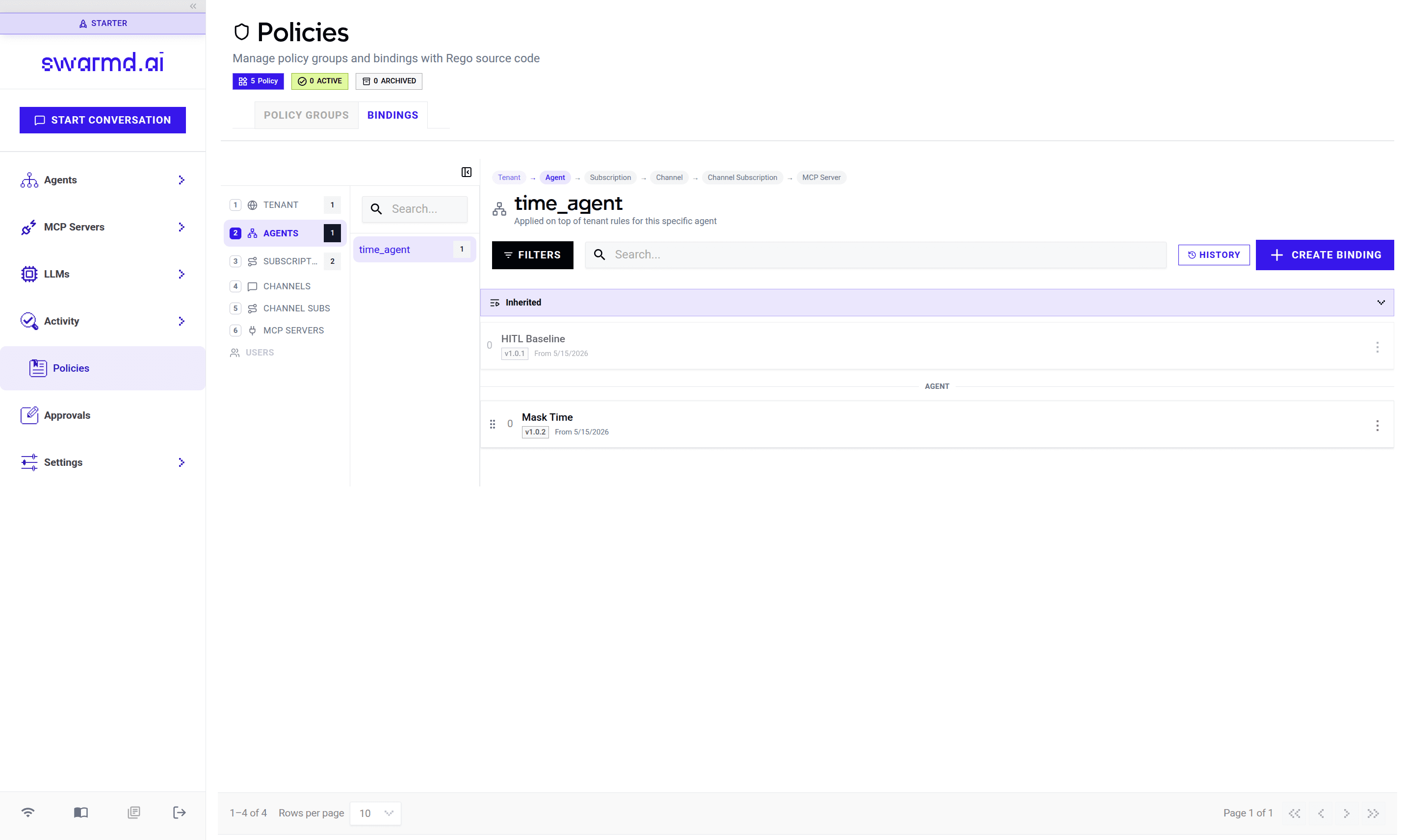
Per-tenant SSO, customer-owned identity, policy-as-code with immutable versions and a hash-chained audit trail were built into swarmd.ai from the first week, because its customers are in regulated industries and ask for them before they ask for features. The same patterns are what we build into a start-up’s product when the first enterprise buyer arrives.
How success is measured
Every engagement agrees its measures and the measurement period in writing before work starts.
- Time from questionnaire received to answered, before and after.
- Deals stalled at security review, as a share of enterprise pipeline.
- Questionnaire items answered "yes, with evidence" versus "on the roadmap".
- Time to certification where ISO 27001, SOC 2 or Cyber Essentials is the goal.
Proof
Case studies with numbers, and reviews linked to Google where they were left there.
swarmd.ai · Software vendor · 6 months
Enterprise AI control plane delivered in six months at 75% under budget for a UK software vendor
Gradvisor · Charity · 8 weeks to production, then ongoing
98% faster page loads and a 12% smaller cloud bill for a UK careers charity
Director, PeppaSync
“Hexploits have been a breath of fresh air on Peppasync, an AI/ML autonomous decision platform for commercial leaders in retail and ecommerce. The depth and thoroughness the team brought to design and architecture was second to none.”

Director, IO Solutions
“Fantastic to work with. High level of attention to detail and flawless communication throughout. Would recommend to anyone looking to develop or improve a software product.”

Questions we get asked
Do we need SOC 2 or ISO 27001 to sell to enterprises?
What do enterprise security teams actually check?
Can we answer the questionnaire honestly and still win?
How long does it take?
Will this slow down the roadmap?
Related
Sectors where this is most often needed
More in security and compliance
Next step
Request a proposal.
Tell us about the system and the sector. A named engineer replies within one working day. A written scope and an indicative price within two working days of a short scoping call.